

Your baby may be showing signs of having trapped wind. They may seem to spend large amounts of time grunting, crying and fussing. Pulling their legs up or going red and straining. None of this is pleasant for them, or you as you can’t do a whole lot to help them.
Bottle-fed babies can be particularly prone to swallowing air while feeding, which can lead to trapped wind and uncomfortable little tummies.

So what causes wind in a bottle-fed baby?
1- The Teat is Filled with Air
If the bottle isn’t held at the correct angle, the teat may not stay completely full of milk. This means your baby can swallow air while sucking, leading to trapped wind.
2- Fast Milk Flow
If you are using a teat that has too fast of a flow for your baby they may need to gulp to keep up with the milk. This means your baby can swallow air while sucking, leading to trapped wind.
3- Shaking the Formula
When making up a bottle, vigorously shaking can introduce lots of tiny air bubbles into the milk. The bubbles can then be swallowed by your baby during feeds.
4- Formula Doesn’t Agree with Them
Occasionally, some babies struggle with certain formulas. Others may have an allergy such as a Cow’s Milk Protein Allergy (CMPA). If you suspect this, it’s best to contact your GP or Health Visitor rather than repeatedly changing formulas yourself.
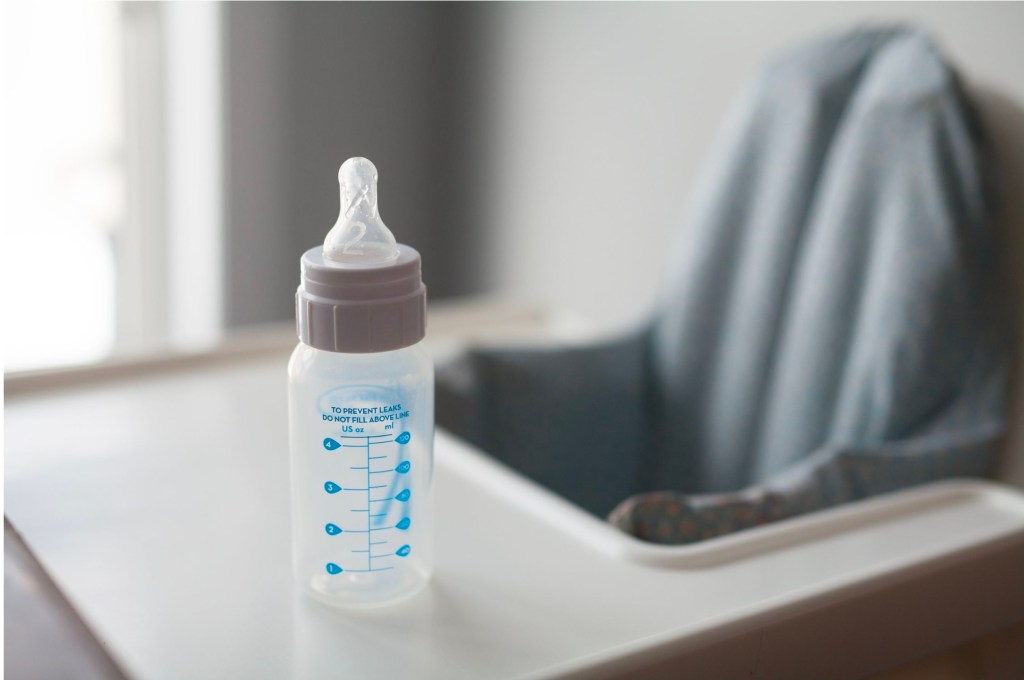
What Causes wind in any baby?
1- Excessive Crying
When your baby cries, they swallow air. The more air they swallow, the more likely they are to end up with uncomfortable trapped wind.
2- An Immature Digestive Tract
Your baby’s digestive system is still learning how to function, before everything was done for them. Around 4-6 weeks many parents notice increased grunting, straining and gassiness as their digestive tract becomes more active. As milk is digested, gas is naturally produced, which can be uncomfortble but totally normal.

So you know what causes your baby to be gassy so what can you do to help reduce the chance of them getting gassy.
1- Hold the Bottle at thr Correct Angle
Ensure when feeding your baby that the teat is filled with milk, throughout the feed, and not lots of air. This should reduce the amount of air swallowed.
2- Use the Correct Teat
Make sure that you are using the age appropraite teat, you may even have to get the slow flow teats to make sure the flow isn’t too fast making your baby gulp to accomodate the milk, taking in lots of air.
3- Swirl, Don’t Shake
When mixing your formula in with water swirl the water around to mix the powder, rather than shake it. This reduces the amount of tiny bubbles that lead to gas.
4- Consider a Different Formula
If your baby consistently seems uncomfortable after feeds, it my be worth discussing alternative formulas with your doctor or health visitor.
Many brands have a comfort formula designed to be more gentle on little tummies. If your baby has an allergy, they may require a different formula like goat’s milk or even a special allergy one.
5- Make Sure to Burp Your Baby
You may be able to fully finish feeding your baby before they need winding, or they may show signs of fussiness throughout the feed. If your baby is straightening out, kicking their legs or crying on the bottle they may need you to burp them midfeed. Regardless make sure you give your baby a good opportunity to burp after
6- Try to Feed Before They Are Screaming
Getting to your baby before they are crying their eyes out for food helps to reduce the air they are gulping in when they cry. This therefore means less air bubbles causing them pain in their tiny tummies.

While trapped wind is common in breastfed babies, bottle-fed babies can become gassy for completely different reasons. In my next post I’ll be covering the common causes of wind in bottle-fed babies.


