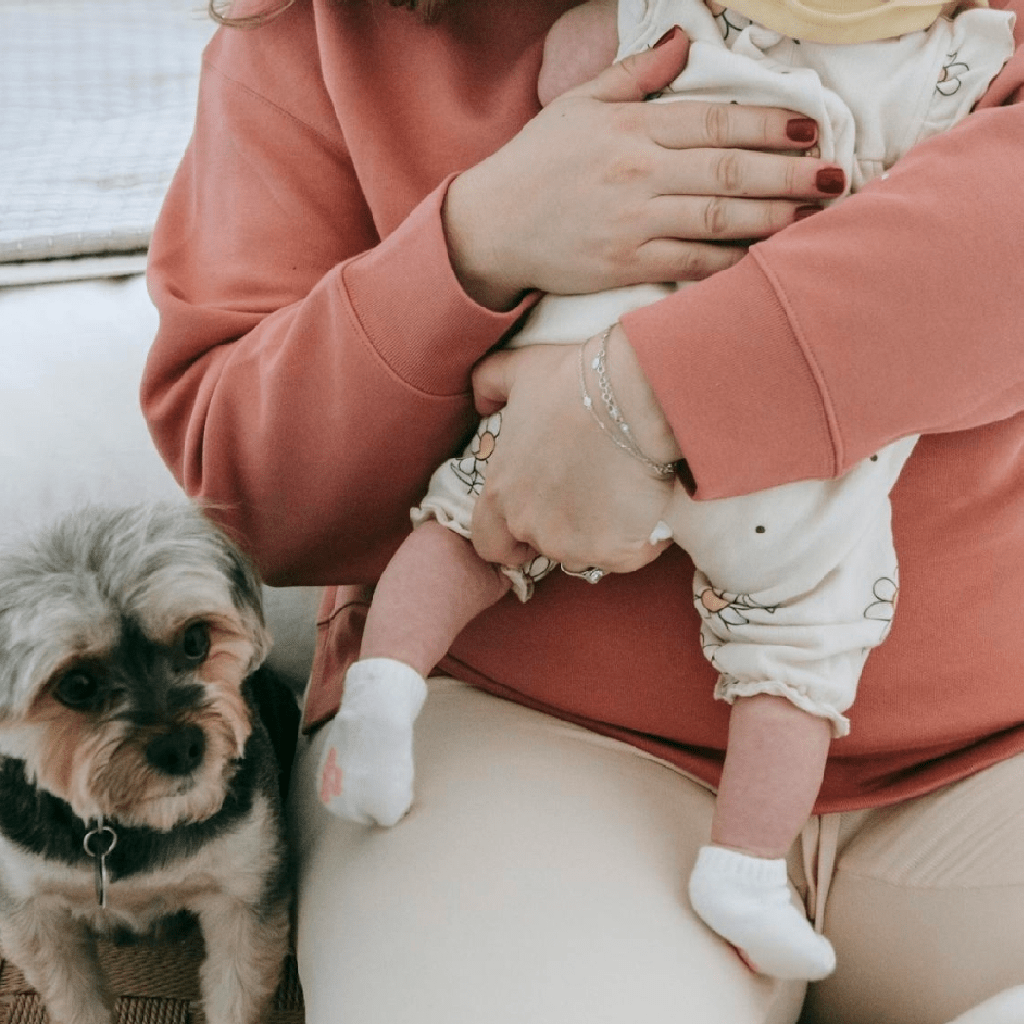
If you have a dog-or multiple dogs- one thing you’re probably worrying about is how they are going to react to the new addition to the family. Will they be aggressive? Overexicted? Completely unbothered? The uncertainty is what makes introducing your furry friend to your little one a little intimidating.
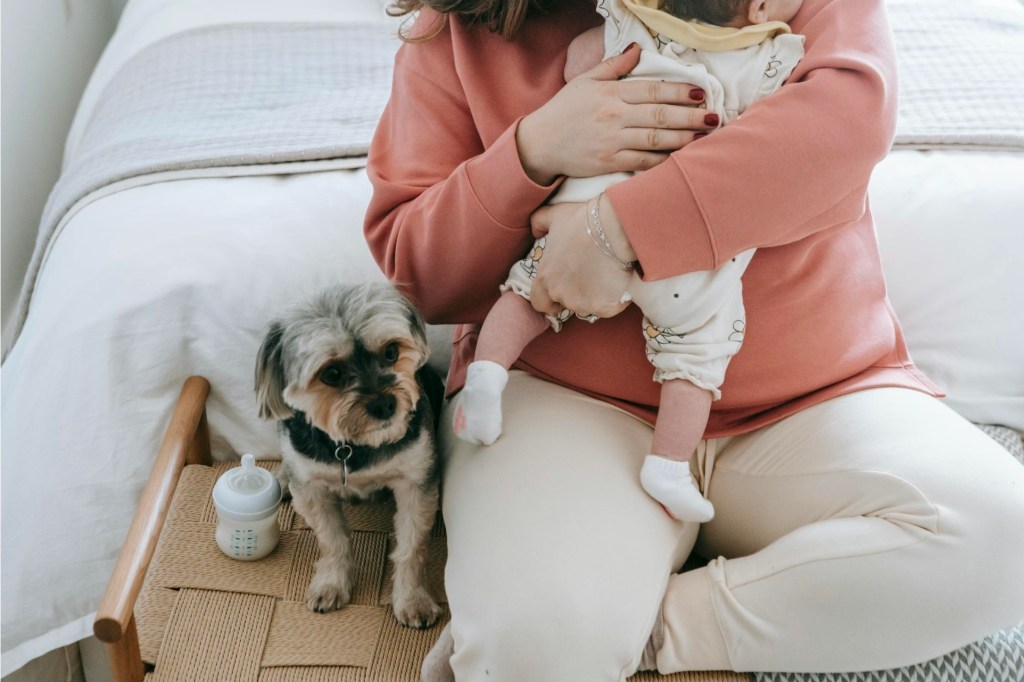
With Zero, our dog, we thankfully knew that he had previous experience around babies through my nephew, so we had a rough idea of how he might react to Ozzy. But even then, we still worried about how he’d react when the baby didn’t leave and he was no longer the centre attention. So we started the introduction very carefully using these tricks.
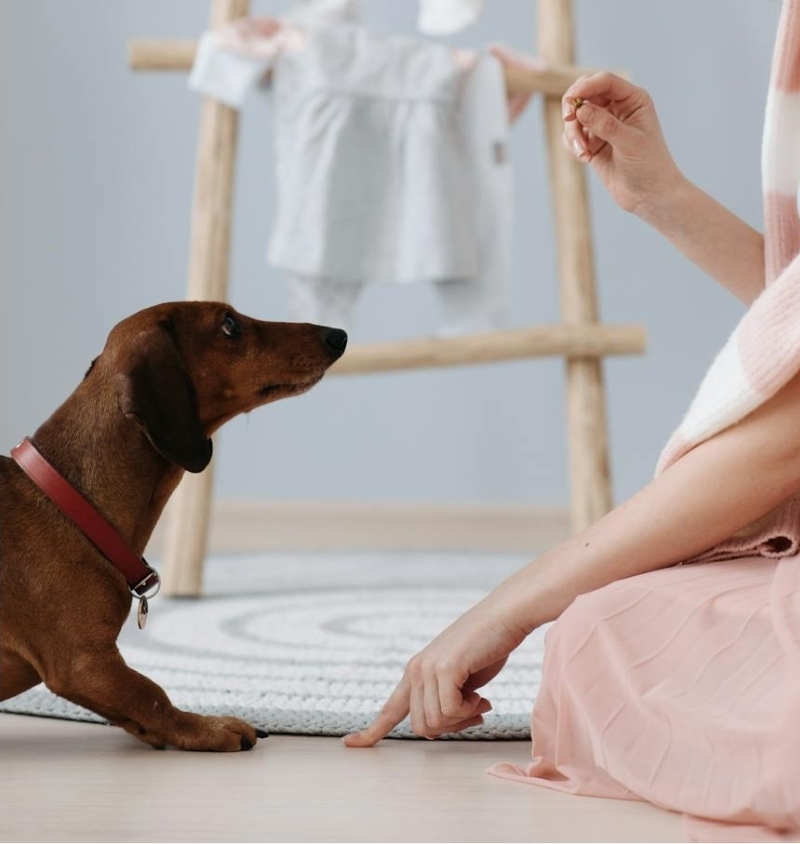
1- Start Long Before Baby Arrives
Getting your dog desensitised to something takes time, and expecting them to get it in a few hours is not realistic. Playing sounds of newborns crying throughout the day gets them accustomed to it. Give them treats when they don’t react to the noise at all and when baby gets home you’ll have a dog that is indifferent to their cry. Even with this Zero still runs to get us when Ozzy cries so maybe we trained him to be our baby monitor.
If your dog is used to a rigid routine start to slowly push timings around in the lead up to the due date. Newborns are not predictable in when they need you and always seem to pick they need something when you have plans. Adjusting your dogs routine before baby arrives helps prevent them associating all the changes with the baby.
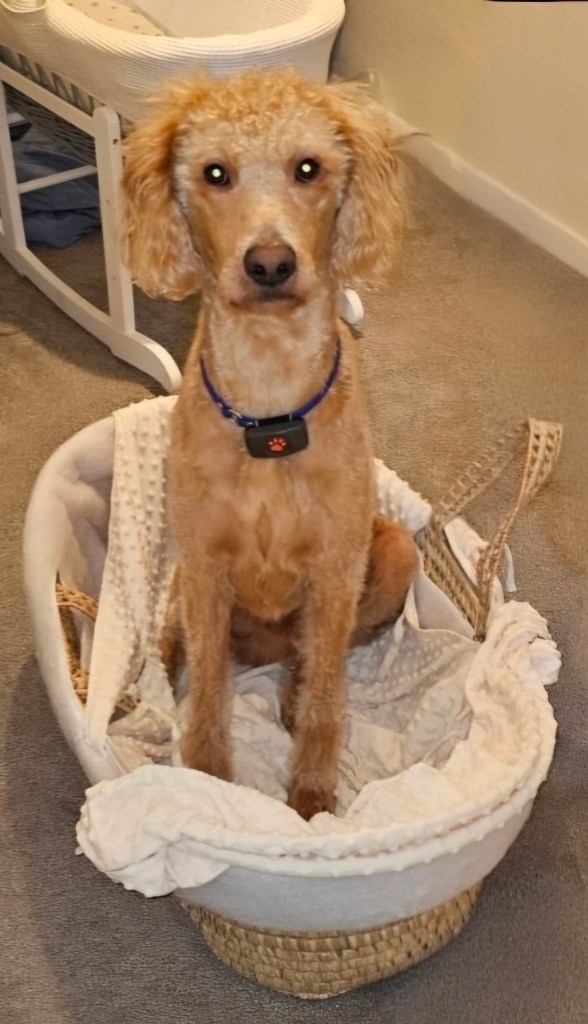
As well as this training your dog that baby furniture is off limits before there is a baby on it is beneficial as well. If they know that they can’t go on the playmat, then hopefully they won’t decide to roll over right when your lovely newborn is attempting tummy time. (Yes that is Zero sat in Ozzy’s moses basket, he now knows that it isn’t another dog bed for him)
2- Bring Home Something That Smells of Baby
If you can bring a blanket or piece of clothing home to your dog before you are released from hospital, this gives your dog a chance to smell the baby and understand what is happening, giving them time to process the new arrival.
3- Make Sure Your Dog Is Tired Out
A long walk before introducing your pet to the new addition to burn off any energy they have to hopefully reduce the chance of them going crazy. Expecting them to be totally chill after not being out for hours isn’t fair to them.
4- Greet Your Dog Before Bringing In the Baby
One of their favourite people hasn’t been in the house for however long your labour/ hospital stay has been. They will be excited just for you to be back. This also gives them a chance to smell the baby on you as a further introduction to their scent. It also reduces the chance of the dog excitedly jumping and hurting the baby (even the best trained dogs can forget manners in excitement and new environments).
5- When Introducing One Manages the Dog, the Other the Baby
If one person holds onto the dog then you can manage them accordingly if they get too excited or jumpy. The other person can also leave with the baby if the dog start to show signs of stress or aggression.
Depending on your dog you may want to muzzle them, if they a history of aggression or a high prey drive that leads to them being nippy. If you are using a muzzle ensure it is proper fitting and they have enough room to pant to avoid further stressing your dog.

6-Keep it Short and Positive
A quick meeting to prevent your dog from getting overstimulated is better than a lengthy introduction. Reward your dog throughout the experience especially when they are calm. The goal is for them to feel calm and neutral around your baby.
7- Don’t Force Interaction
If your dog isn’t showing interest in the baby, or seems fearful and avoids getting close, don’t force the situation. Physically pulling or dragging your dog over to “make them meet” can damage trust and may even lead to a reactive response.Instead, allow your dog to observe at their own pace. If they choose to keep their distance, respect that and try again another time when they feel more comfortable.
8- Don’t Rush the Process
The first introduction might go smoothly, or it might not, and both are completely normal. If things don’t go well, it doesn’t mean failure; it simply means you need a slower, more gradual approach.
In that case, keep your baby and dog separated and introduce them through short, controlled meetings over several days. Always stop if you notice any signs of stress from your dog.
Your dog may just need time to a1djust to new scents, sounds, and the change in dynamic. Rushing them to become immediate friends or just to tolerate each other—can result in anxiety and long-term mistrust.

I hope these tips help make introducing your new baby to your resident furry friend a little less stressful. No matter how gentle your dog is never leave them unattended with your baby-it’s simply not worth the risk.
Nowadays, Zero gives Ozzy the occasional face lick before flopping down next to him. Some dogs will be less than pleased with the new addition at first while others will be completely indifferent.
Regardless of how they are initially when your baby starts solids they will become best friends.


